Drew Clark · Customer Support Leader
Support is a profession, not a stepping stone.
I have a career of proof, from the front lines to executive support strategist. I write about hiring, AI, and building support that runs on systems, not heroics.

Drew Clark · Customer Support Leader
I have a career of proof, from the front lines to executive support strategist. I write about hiring, AI, and building support that runs on systems, not heroics.
A weekly read for anyone trying to break into customer support, build a career in it, or figure out if it's worth doing at all.

I've read maybe 200 resumes in 2026, with a Ctrl-F running in the back of my head the whole time. I'm hunting for one line that says this person actually uses AI to do the work. Nobody mentions it. Be the weirdo who does.
Read on Substack →
Every support team I've ever led has a documentation graveyard. A wiki or Notion space nobody curates, a museum of how things used to work. The problem is rarely that you documented too little. You documented the wrong things.
Read on Substack →
There's a guy on my team. We'll call him Leif. He stands in the middle of six systems that don't want to talk to each other and calmly makes them talk. His title should not say anything about AI.
Read on Substack →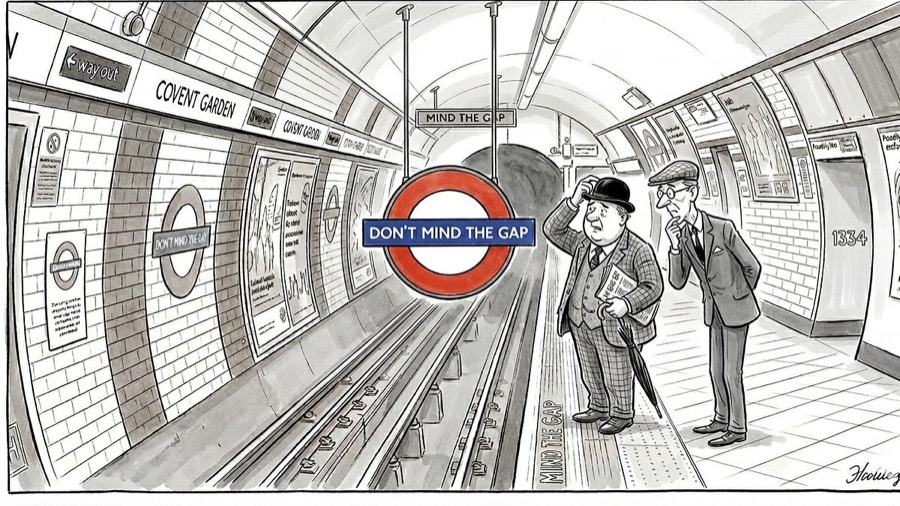
The gap on your resume you're embarrassed about is usually a non-issue from my side of the table. I am not the one bothered by it. You are. You don't owe me an explanation, you owe me a real person.
Read on Substack →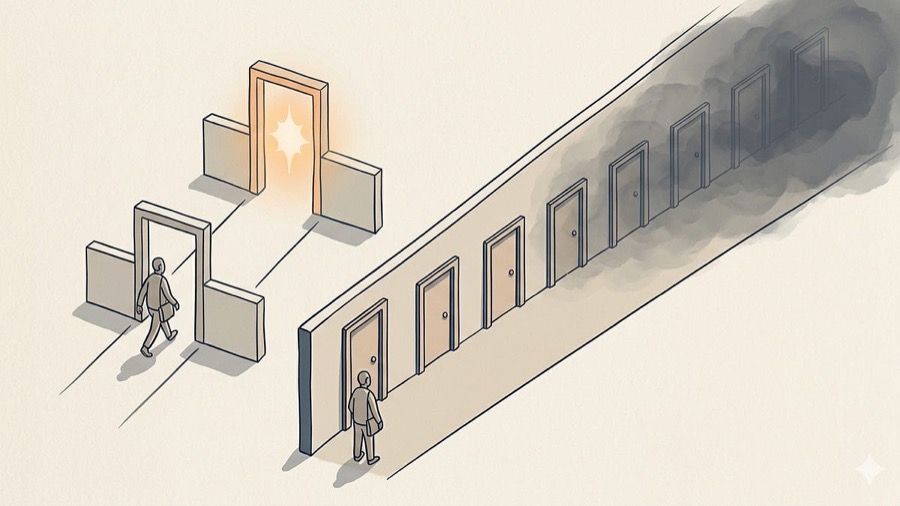
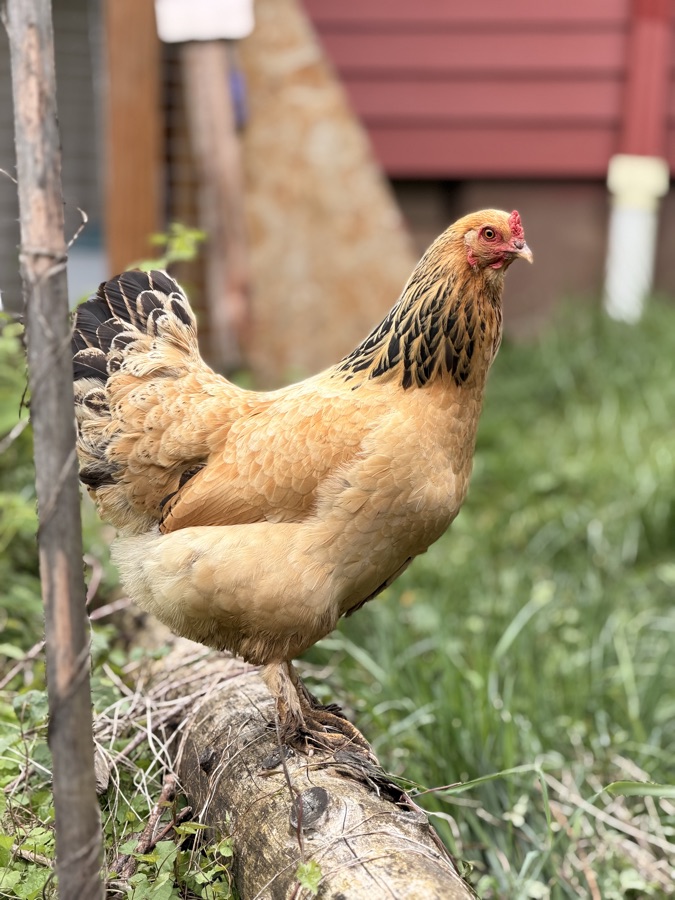
Every panel interview I run starts with my chickens. One phone screen, one structured panel, and we usually know inside an hour. Anything more is theater or cowardice.
Read on Substack →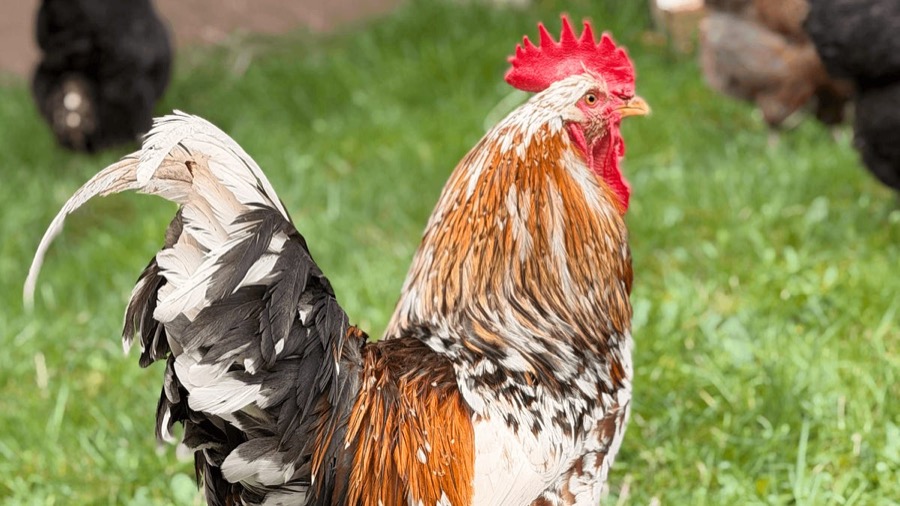
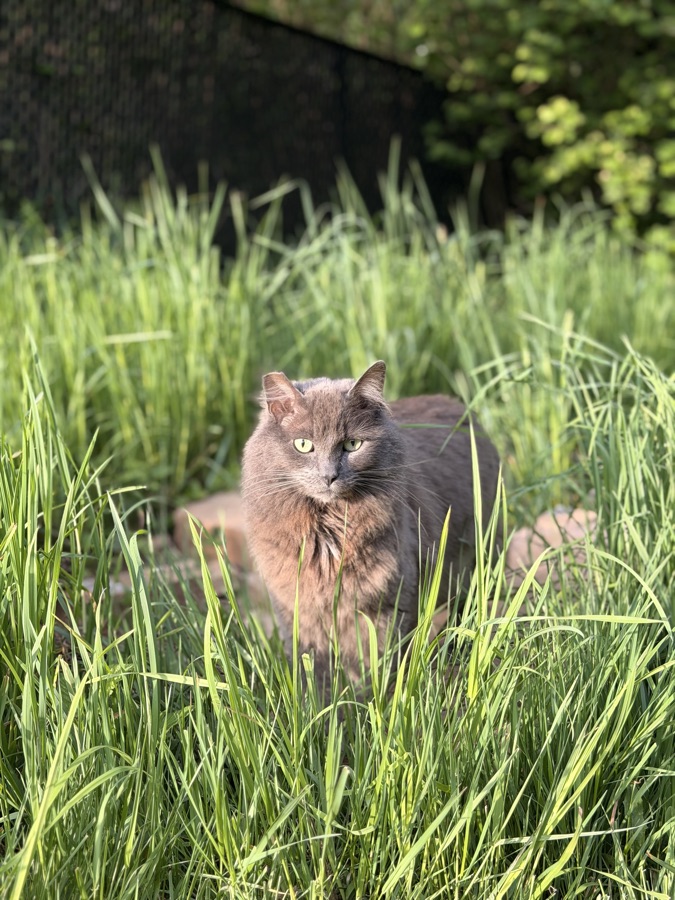
It's the most powerful question in the interview, and most candidates treat it like a formality. "I also like food and cats" is a real answer I have received. It's free ad space. Use it.
Read on Substack →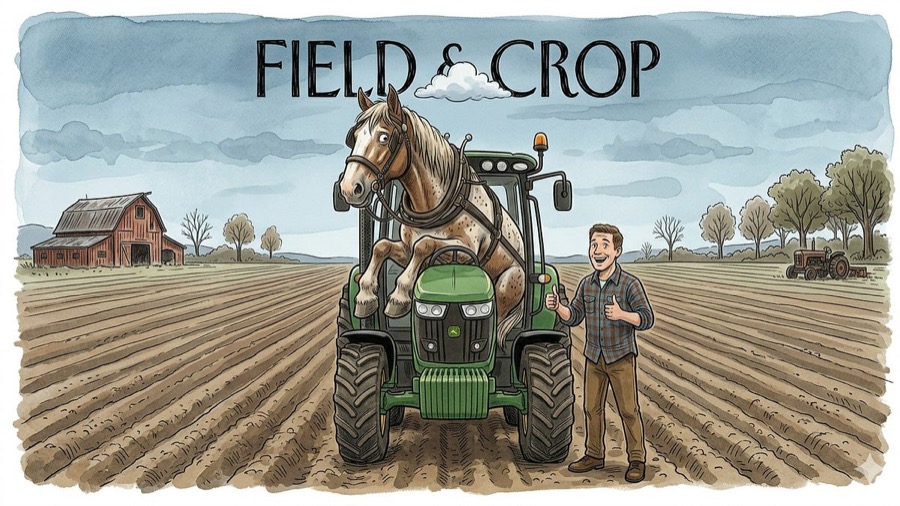
80 of 91 sessions at Zendesk's conference were about AI, and the math on "autonomous" doesn't math. It's like telling a horse the tractor isn't going to take his job. He's going to lose his job to a horse that can drive a tractor.
Read on Substack →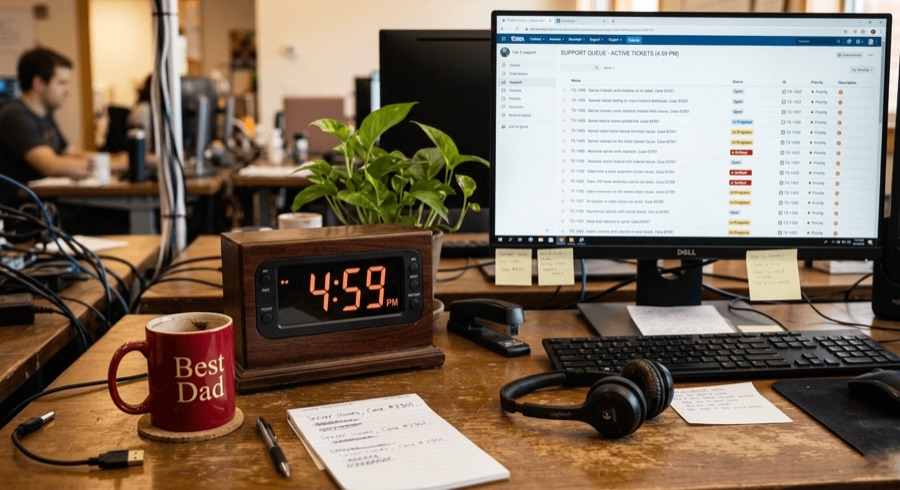
The vendor answer is "yes, of course, here's the ladder." The Reddit answer is "dead end, get out." Both are bad answers. It IS a career, and it's not for everyone.
Read on Substack →My first support job was the soda fountain at a small-town drugstore. I was 14, pouring coffee and scooping ice cream for the regulars who came in every morning and every afternoon. One of them had the same answer every time somebody asked how he was doing. "If I was any better, I'd have to be twins."
I remember thinking that was the coolest thing to say, and that I was way too young to say it. Now I have kids of my own and I say it almost every day. It's corny and it's kind of weird, and it does what that man did for the whole counter: it puts a positive floor under the conversation, whatever comes next.
Helpdesk tech. Network admin. IT director. Consultant for small businesses that couldn't afford an IT department. Then SaaS, where I started as a T1 agent and ended up the VP of a 200-person org.
Different titles, same job. Someone's day is broken. Fix it, then fix the system so it stays fixed.
That instinct is why the same person can diagnose a misconfigured Zendesk and design the hiring loop, the documentation standard, and the career path.
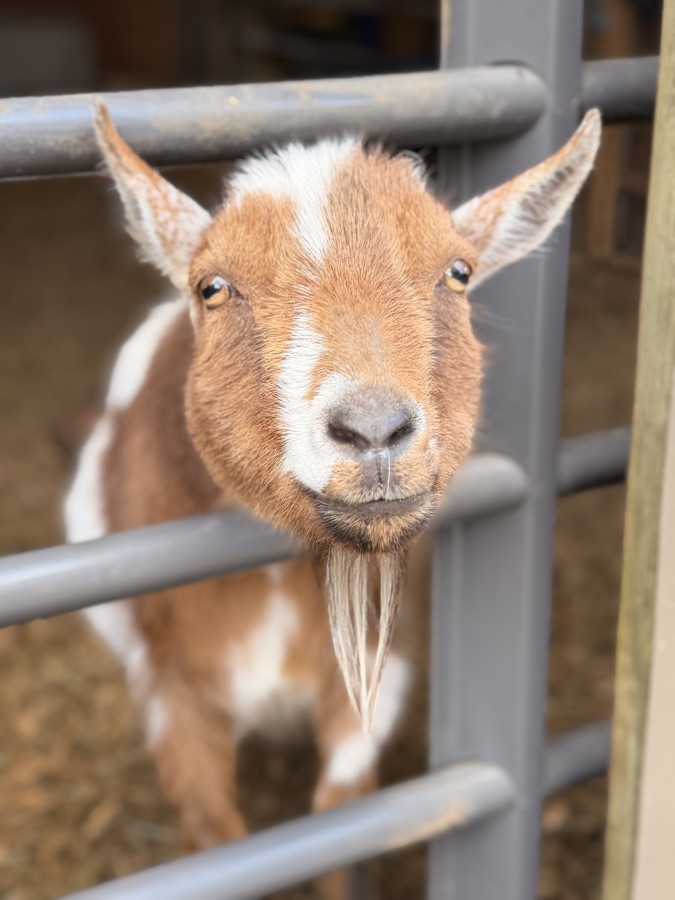
We live on a small farm outside a small city in southwest Washington. Chickens, ducks, geese, goats, cats, dogs, rabbits, and a lot of trees. The hens lay more than we can eat, so some of the neighbors buy organic eggs off us.
When there's time I fish here in the Pacific Northwest. I'm an avid gardener, so we grow a lot of vegetables and I preserve whatever the season hands us. The rest is family time: hiking, horseback riding, etc.
The animals don't care how my quarter is going. They want breakfast.


From my upcoming book, The Customer Support Repair Manual.
The industry's biggest problem isn't tools or process. It's that nobody treats the work, or the workers, with the seriousness they deserve. I've built a career proving otherwise.
The candidate with the perfect answers might be borrowing someone else's language. The best hires I've made had junk-drawer resumes and knew exactly who they were.
If your operation falls apart when one person takes a vacation, you don't have a system. You have a dependency. Good systems produce quality without requiring constant attention.
AI clears the routine bottom third of the queue. What's left is the harder judgment work, and the customer who needs someone to say "maybe" instead of "no" isn't going away.
If you're building a support team, hiring a support leader, or arguing with someone about whether AI is coming for the queue, I'd love to hear from you.
I also advise support teams trying to figure out the "now what."